
 EN
EN
Daily skincare routines have evolved dramatically over the past decade, with consumers increasingly seeking products that deliver immediate and visible results. Among the most transformative additions to modern beauty regimens are exfoliating treatments that promise to reveal smoother, more radiant skin with consistent use. The quest for renewed skin has led many to discover the remarkable benefits of specialized exfoliation products, particularly those designed for delicate areas like the lips. Understanding how these innovative formulations work can help you make informed decisions about incorporating them into your daily routine.
Understanding the Science Behind Exfoliation
Cellular Turnover and Skin Renewal
The human skin naturally undergoes a continuous process of cellular regeneration, where dead skin cells are shed and replaced by fresh, new cells from deeper layers. This process, known as cellular turnover, typically occurs every 28 to 40 days in healthy adults. However, various factors including age, environmental exposure, and lifestyle choices can slow down this natural renewal process, leading to the accumulation of dead skin cells on the surface.
When dead skin cells build up, they create a barrier that prevents moisturizers and treatments from penetrating effectively into the skin. This accumulation also contributes to a dull, rough texture that can make even the healthiest skin appear tired and lackluster. Regular exfoliation helps accelerate the natural shedding process, revealing the smoother, brighter skin cells underneath while improving the overall texture and appearance of the treated area.
Different Types of Exfoliation Methods
Exfoliation can be achieved through two primary methods: physical and chemical. Physical exfoliation involves the use of granular substances or textured materials that mechanically remove dead skin cells through gentle friction. Common physical exfoliants include sugar crystals, salt particles, ground coffee beans, and synthetic microbeads, each offering different levels of intensity and effectiveness.
Chemical exfoliation, on the other hand, relies on acids or enzymes to dissolve the bonds between dead skin cells, allowing them to be easily removed without mechanical action. Alpha hydroxy acids, beta hydroxy acids, and fruit enzymes are popular chemical exfoliants that provide gentle yet effective results. Many modern formulations combine both physical and chemical exfoliation methods to maximize effectiveness while minimizing potential irritation.
The Benefits of Regular Exfoliation
Immediate Skin Texture Improvement
One of the most noticeable benefits of regular exfoliation is the immediate improvement in skin texture and smoothness. By removing the layer of dead, rough skin cells, exfoliation reveals the softer, more supple skin underneath. This transformation is particularly dramatic in areas where skin tends to be naturally thicker or more prone to dryness, such as the lips, elbows, and heels.
The smoothing effect of exfoliation also creates an ideal canvas for other skincare products and makeup application. When the skin surface is even and smooth, moisturizers can penetrate more effectively, and cosmetic products apply more evenly and last longer throughout the day. This enhanced product performance makes exfoliation a valuable step that amplifies the benefits of your entire skincare routine.
Enhanced Product Absorption and Efficacy
Regular exfoliation significantly improves the skin's ability to absorb and utilize skincare products. When dead skin cells create a barrier on the surface, even the most potent serums and treatments struggle to reach their target areas within the skin. By removing this barrier, exfoliation allows active ingredients to penetrate deeper and work more effectively.
This enhanced absorption means that your existing skincare products will deliver better results when used in conjunction with regular exfoliation. Moisturizers will hydrate more effectively, anti-aging treatments will reach their target cells more efficiently, and protective products like sunscreen will form more even coverage. The synergistic effect between exfoliation and other skincare steps creates a compound benefit that exceeds the sum of individual treatments.
Specialized Exfoliation for Delicate Areas
Lip Care and Exfoliation Requirements
The delicate skin of the lips requires special attention when it comes to exfoliation, as this area is significantly thinner and more sensitive than facial or body skin. Lips lack sebaceous glands, making them naturally more prone to dryness and flaking, especially during harsh weather conditions or when exposed to dehydrating factors like wind or air conditioning.
A quality lip exfoliating scrub should be formulated with finer particles and nourishing ingredients that provide gentle yet effective exfoliation while simultaneously moisturizing and protecting the delicate lip tissue. The ideal formulation combines natural exfoliating agents with hydrating oils and butters to ensure that the lips are left soft, smooth, and well-conditioned after treatment.
Natural Ingredients in Lip Exfoliation
Natural ingredients have gained popularity in lip exfoliation products due to their gentle yet effective properties and reduced risk of irritation. Coffee grounds, for example, provide excellent physical exfoliation while containing antioxidants that can help protect the skin from environmental damage. The caffeine in coffee also promotes circulation, which can enhance the natural healing and renewal processes.
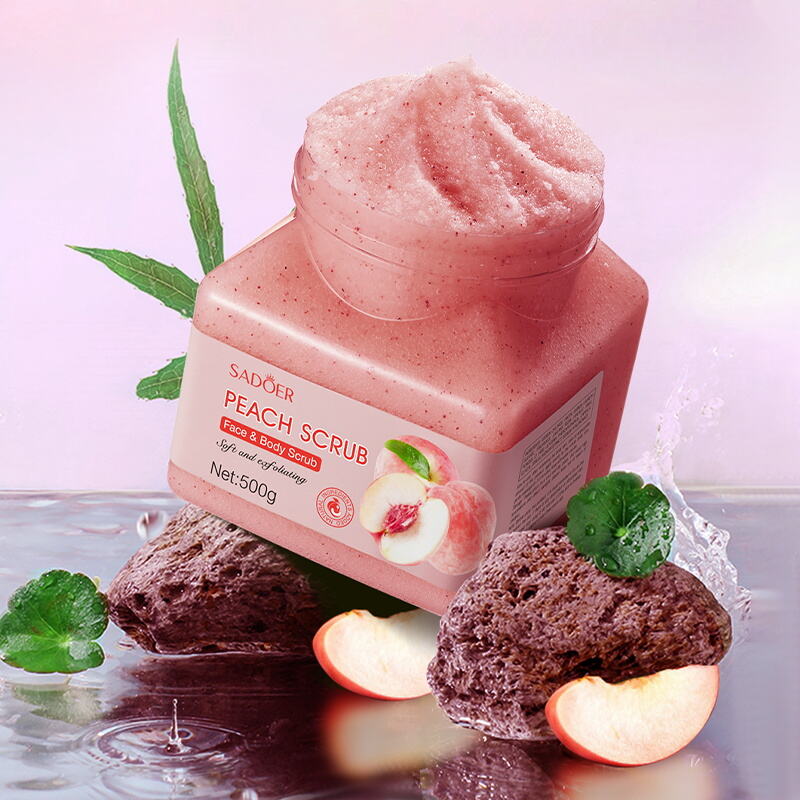
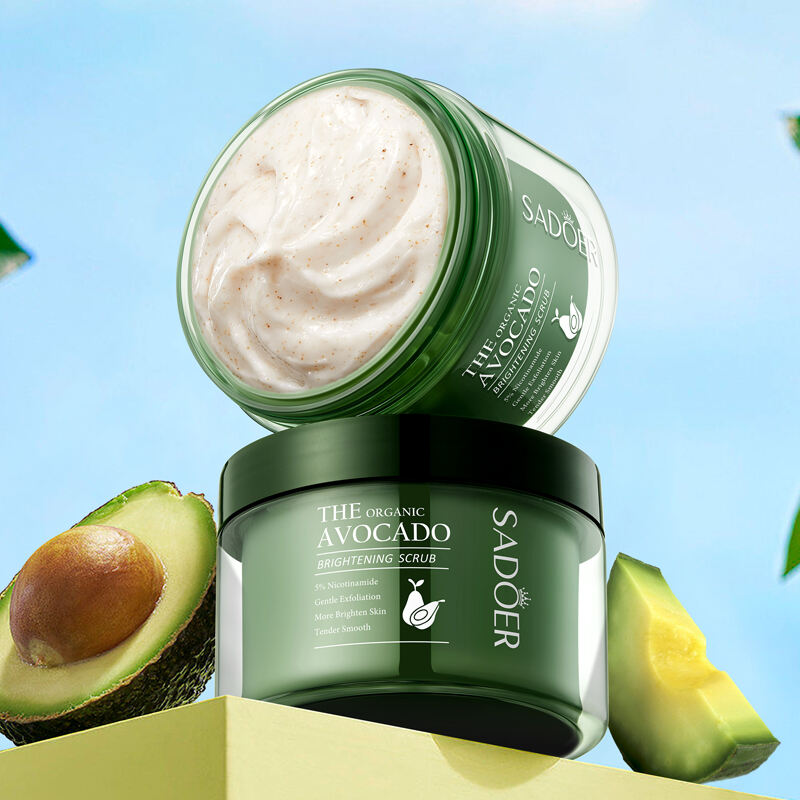
Fruit-based ingredients like strawberry, orange, and peach bring natural alpha hydroxy acids to the formulation, providing gentle chemical exfoliation alongside their physical properties. These fruits also contribute vitamins and antioxidants that nourish the skin while removing dead cells. Avocado, rich in healthy fats and vitamins, serves as both an exfoliant and a deeply moisturizing agent, making it particularly valuable for maintaining lip health and softness.
Creating an Effective Daily Routine
Frequency and Timing Considerations
The frequency of exfoliation depends on several factors including skin type, sensitivity level, and the specific product being used. For most people, exfoliating two to three times per week provides optimal benefits without causing over-exfoliation or irritation. However, those with particularly sensitive skin may need to start with once-weekly treatments and gradually increase frequency as their skin adapts.
Timing also plays a crucial role in maximizing exfoliation benefits. Many skincare experts recommend exfoliating in the evening, as this allows the skin to undergo its natural repair and renewal processes overnight without interference from environmental factors. Evening exfoliation also ensures that any temporary redness or sensitivity has time to subside before morning sun exposure or makeup application.
Complementary Skincare Practices
To maximize the benefits of exfoliation, it should be integrated into a comprehensive skincare routine that includes proper cleansing, moisturizing, and protection. Pre-exfoliation cleansing removes surface dirt and oil, allowing the exfoliant to work more effectively on dead skin cells rather than surface debris. This preparatory step ensures that the exfoliation process targets the intended cellular buildup.
Post-exfoliation care is equally important, as freshly exfoliated skin requires immediate hydration and protection. Applying a nourishing moisturizer or treatment oil immediately after exfoliation helps lock in hydration and supports the skin's natural barrier function. Sun protection becomes even more critical after exfoliation, as the newly revealed skin may be more sensitive to UV damage for 24 to 48 hours following treatment.
Long-term Benefits and Skin Health
Cumulative Effects of Regular Exfoliation
While exfoliation provides immediate benefits in terms of texture and appearance, the most significant advantages become apparent with consistent long-term use. Regular exfoliation helps maintain optimal cellular turnover rates, preventing the accumulation of dead skin cells that can lead to clogged pores, rough texture, and dull appearance. Over time, this consistent renewal process can result in visibly healthier, more radiant skin.
Long-term exfoliation also supports the skin's natural collagen production and elastin maintenance. By removing the barriers that prevent skincare ingredients from reaching deeper skin layers, regular exfoliation allows anti-aging compounds to work more effectively. This enhanced efficacy of other skincare products creates a compounding effect that becomes more pronounced over months and years of consistent use.
Preventing Common Skin Issues
Consistent exfoliation serves as a preventive measure against various common skin issues including clogged pores, ingrown hairs, and uneven texture. By keeping the skin surface clear of cellular debris, exfoliation reduces the likelihood of pore blockages that can lead to blackheads and blemishes. This preventive approach is often more effective and gentler than treating existing skin problems.
Regular exfoliation also helps maintain even skin tone by preventing the buildup of dead cells that can create patches of rough or discolored skin. This preventive maintenance keeps the skin looking consistently smooth and radiant, reducing the need for more intensive treatments or corrective procedures. The proactive approach of regular exfoliation supports overall skin health while maintaining a youthful appearance.
Choosing the Right Products
Quality Indicators and Ingredients
When selecting exfoliation products, particularly for sensitive areas like the lips, ingredient quality and formulation expertise are paramount. Look for products that combine effective exfoliating agents with nourishing and protective ingredients. Natural oils like jojoba, coconut, and sweet almond provide excellent moisturizing properties while supporting the skin's natural barrier function.
The particle size and type of exfoliating agent should match the intended use and skin sensitivity level. Finer particles are generally more suitable for delicate areas, while coarser textures may be appropriate for thicker skin areas. Quality products will also include ingredients that soothe and calm the skin during and after exfoliation, such as aloe vera, chamomile, or vitamin E.
Professional vs. At-Home Options
While professional treatments can provide more intensive exfoliation results, at-home products offer the convenience and consistency needed for regular maintenance. Professional treatments are typically more powerful and may be beneficial for addressing specific skin concerns or providing periodic deep exfoliation. However, for daily or weekly maintenance, gentle at-home products are often more practical and cost-effective.
The key to successful at-home exfoliation lies in choosing products that are appropriate for your skin type and following proper application techniques. Reading product instructions carefully and starting with gentle formulations allows you to gauge your skin's response and adjust your routine accordingly. Many people find that a combination of regular at-home maintenance with occasional professional treatments provides optimal results.
FAQ
How often should I use a lip exfoliating scrub?
For most people, using a lip exfoliating scrub 2-3 times per week is optimal. The delicate skin of the lips requires gentle treatment, so start with once weekly and gradually increase frequency based on how your lips respond. Over-exfoliation can lead to irritation and increased sensitivity, so it's better to err on the side of caution and adjust your routine based on your skin's needs.
Can I make my own natural lip scrub at home?
Yes, you can create effective homemade lip scrubs using common kitchen ingredients. A simple mixture of brown sugar and honey provides gentle exfoliation and moisturizing properties. Coffee grounds mixed with coconut oil offer antioxidant benefits along with exfoliation. However, commercial products often provide more consistent particle sizes and balanced formulations that may be gentler and more effective for regular use.
What should I do after using an exfoliating scrub?
After exfoliation, immediately apply a nourishing lip balm or moisturizer to lock in hydration and protect the newly revealed skin. Avoid eating, drinking hot beverages, or applying harsh products for at least 30 minutes after exfoliation. Use sun protection if you'll be outdoors, as freshly exfoliated skin may be more sensitive to UV damage for 24-48 hours following treatment.
Are there any ingredients I should avoid in lip scrubs?
Avoid lip scrubs containing artificial fragrances, harsh chemicals, or particles that are too coarse for the delicate lip area. Stay away from products with menthol or peppermint oil if you have sensitive skin, as these can cause irritation. Also avoid scrubs with synthetic microbeads, which are harmful to the environment and may be too harsh for regular lip care. Choose products with natural, gentle ingredients that provide both exfoliation and nourishment.