
 EN
EN
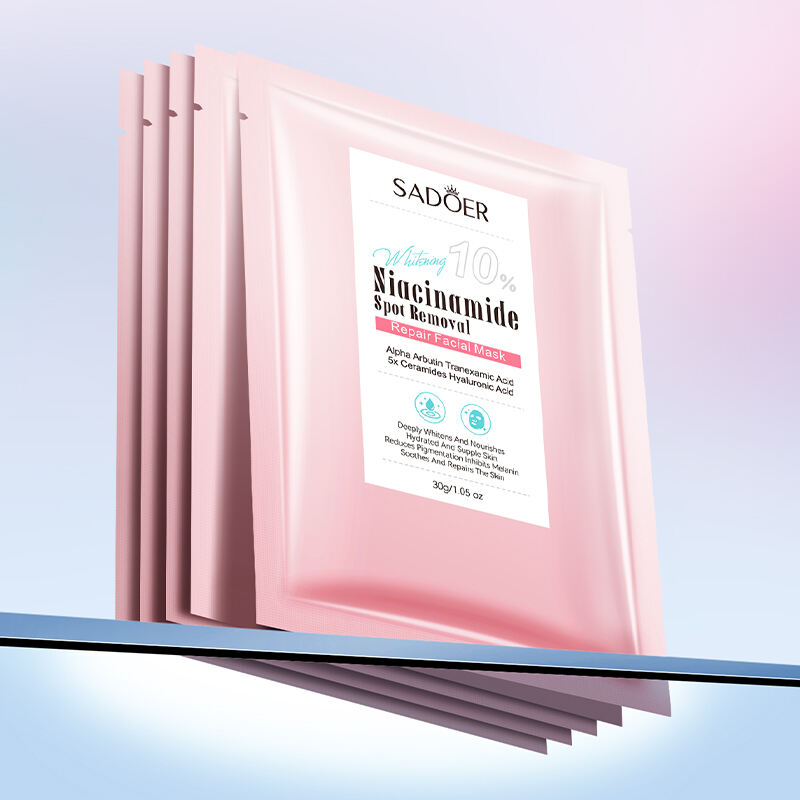
Achieving radiant, refreshed skin doesn't always require expensive spa treatments or complex skincare routines. The secret lies in understanding how to properly use face masks to maximize their rejuvenating benefits. Whether you're dealing with dullness, dryness, or signs of fatigue, the right face mask application techniques can transform your complexion in just minutes. From choosing the correct mask type for your skin concerns to mastering the timing and removal process, these proven strategies will help you unlock your skin's natural glow and achieve that coveted post-facial radiance at home.
Understanding Your Skin Type for Optimal Face Mask Selection
Identifying Your Unique Skin Profile
Before diving into any face mask routine, understanding your skin type forms the foundation of effective skincare. Oily skin typically benefits from clay-based masks that absorb excess sebum and minimize pore appearance. These formulations help control shine while preventing breakouts that can occur from clogged follicles. Dry skin, conversely, thrives with hydrating masks containing hyaluronic acid, ceramides, or natural oils that restore moisture barriers.
Combination skin presents unique challenges, requiring targeted approaches for different facial zones. The T-zone often needs purifying ingredients, while cheek areas may require additional hydration. Sensitive skin demands gentle formulations free from harsh chemicals, fragrances, or aggressive exfoliating agents that could trigger irritation or redness.
Matching Mask Ingredients to Skin Concerns
Active ingredients play crucial roles in determining mask effectiveness for specific skin issues. Vitamin C masks brighten complexions while providing antioxidant protection against environmental damage. Retinol-infused masks accelerate cell turnover, reducing fine lines and improving texture over time. For acne-prone skin, salicylic acid or benzoyl peroxide formulations help unclog pores and reduce bacterial growth.
Anti-aging concerns benefit from peptide-rich formulations that stimulate collagen production and firm skin structure. Niacinamide masks regulate oil production while minimizing pore appearance and evening skin tone. Understanding these ingredient profiles ensures you select masks that address your primary skin concerns rather than applying generic solutions.
Preparation Techniques for Maximum Face Mask Effectiveness
Proper Skin Cleansing Before Application
Clean skin provides the optimal canvas for mask absorption and effectiveness. Begin with a gentle cleanser that removes makeup, sunscreen, and daily pollutants without stripping natural oils. Double cleansing, particularly after wearing heavy makeup or spending time outdoors, ensures thorough removal of all impurities that could interfere with mask penetration.
Lukewarm water opens pores slightly, allowing better ingredient absorption during the masking process. Avoid hot water, which can cause irritation and excessive dryness, or cold water, which may not adequately prepare the skin surface. Pat skin dry with a clean towel, leaving it slightly damp to enhance mask adherence and ingredient delivery.
Creating the Ideal Environment
Environmental factors significantly impact mask effectiveness and your overall experience. Choose a quiet, comfortable space where you can relax without interruptions for the recommended treatment duration. Proper lighting helps ensure even application, while a comfortable temperature prevents the mask from drying too quickly or feeling uncomfortable during wear.
Gather all necessary tools beforehand, including clean application brushes, headbands to keep hair away from your face, and soft towels for removal. Having everything prepared prevents rushing through the process or compromising application quality due to missing supplies.
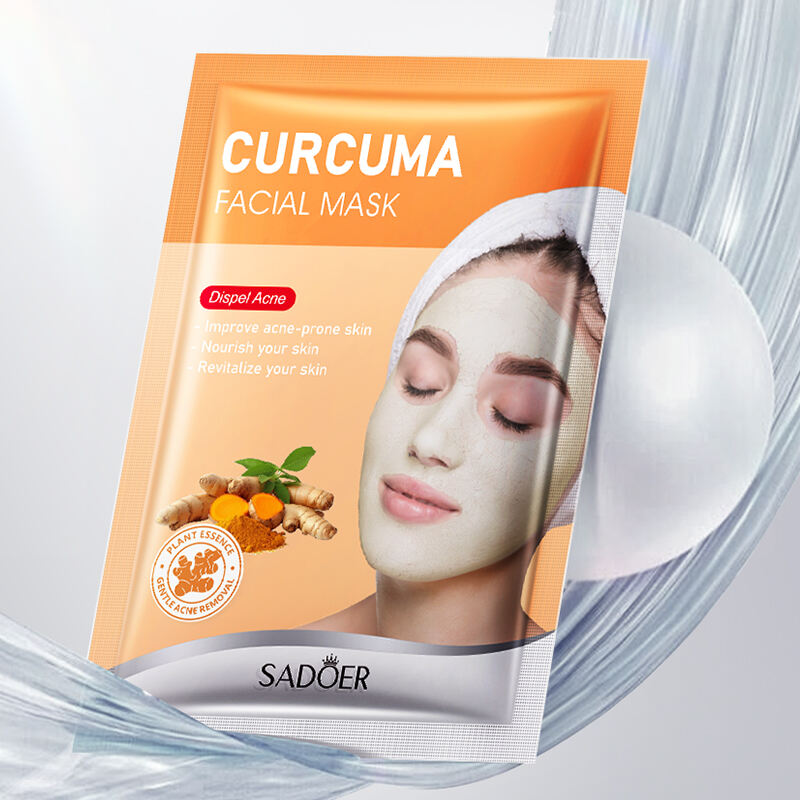
Professional Application Methods for Home Use
Mastering Even Distribution Techniques
Proper application technique ensures consistent results and prevents waste of product. Start with clean hands or use dedicated mask brushes for hygienic application. Begin at the center of your face and work outward, maintaining even thickness throughout the application process. Avoid the delicate eye area unless specifically designed for that region, as these areas have thinner skin that may react differently to active ingredients.
Layer thickness affects both comfort and effectiveness - too thin may not provide adequate coverage, while too thick can cause uneven drying or difficulty during removal. Most sheet masks should lay flat against the skin without air bubbles, which can prevent proper ingredient contact with the skin surface.
Timing Strategies for Optimal Results
Following recommended timing guidelines prevents over-treatment that could lead to irritation or diminished results. Clay masks typically require 10-15 minutes, allowing enough time for oil absorption without over-drying the skin. Hydrating masks may be worn for 15-20 minutes, giving ingredients sufficient time to penetrate and plump the skin with moisture.
Never allow masks to completely dry on your face, as this can cause tightness and potentially damage the skin barrier. If you notice excessive tightness before the recommended time expires, remove the face mask immediately and apply a gentle moisturizer to restore comfort.
Post-Application Care and Maintenance
Proper Removal Techniques
Gentle removal preserves the benefits gained during the masking process while preventing irritation. Use lukewarm water and soft, circular motions to dissolve and remove mask residue. Avoid scrubbing or using rough washcloths that could damage freshly treated skin. For stubborn areas, allow water to soften the mask before attempting removal.
Pat skin dry rather than rubbing, which maintains the plumped, refreshed appearance achieved through the masking process. Check for any remaining residue around the hairline, jawline, or other areas where complete removal might be challenging.
Maximizing Long-Term Benefits
Follow-up care determines how long your refreshed appearance lasts and supports continued skin improvement. Apply a suitable moisturizer while skin is still slightly damp to lock in hydration and extend the mask's beneficial effects. Choose products that complement your mask's active ingredients rather than counteracting them.
Consistency in masking frequency builds cumulative benefits over time. Most face mask types work best when incorporated into weekly routines, allowing skin time to recover between treatments while maintaining steady improvement in texture, tone, and overall appearance.
Advanced Tips for Enhanced Results
Customizing Mask Combinations
Multi-masking allows targeted treatment of different facial areas according to their specific needs. Apply purifying masks to oily T-zone areas while using hydrating formulations on drier cheek regions. This personalized approach addresses varying skin conditions across your face more effectively than single-mask applications.
Layering compatible ingredients can amplify results when done correctly. Apply a thin layer of serum before sheet mask application to boost hydration levels. However, avoid combining acids or strong actives that might cause sensitivity or reduce individual ingredient effectiveness.
Seasonal Adjustments and Lifestyle Integration
Adapt your face mask routine to seasonal changes and lifestyle factors that affect your skin. Winter weather may require more intensive hydrating treatments, while summer heat might call for mattifying or cooling formulations. Travel, stress, hormonal changes, and dietary factors all influence skin needs and should inform your mask selection process.
Schedule masking sessions during relaxing periods when you can fully benefit from the stress-relief aspects of the routine. Evening applications allow ingredients to work overnight without interference from makeup or environmental exposure, maximizing the rejuvenating effects.
FAQ
How often should I use face masks for best results
Most face masks work optimally when used 1-2 times per week, depending on your skin type and the specific formulation. Clay and exfoliating masks should be limited to once weekly to prevent over-drying or irritation. Hydrating and soothing masks can typically be used more frequently, up to 2-3 times per week for very dry skin. Always observe how your skin responds and adjust frequency accordingly, as over-masking can disrupt your skin's natural balance.
Can I use different types of face masks in the same week
Yes, alternating different face mask types throughout the week can address multiple skin concerns effectively. For example, you might use a purifying clay mask mid-week and a hydrating mask on weekends. Ensure you space treatments at least 24-48 hours apart and avoid combining harsh actives that could cause sensitivity. Monitor your skin's response and reduce frequency if you notice irritation or excessive dryness.
What should I do if my skin feels tight after removing a face mask
Skin tightness after mask removal typically indicates the product was left on too long or your skin is sensitive to specific ingredients. Immediately apply a gentle, fragrance-free moisturizer to restore comfort and hydration. In future applications, reduce the wear time and ensure you remove the mask before it completely dries. If tightness persists or worsens, discontinue use and consult with a dermatologist about suitable alternatives for your skin type.
Are expensive face masks significantly better than affordable options
Price doesn't always correlate with effectiveness in face mask products. Many affordable masks contain similar active ingredients to premium versions, with differences often lying in packaging, brand positioning, or additional luxury ingredients that may not significantly impact results. Focus on ingredient lists rather than price points, and choose masks formulated for your specific skin type and concerns. Reading reviews and understanding your skin's needs will guide you toward effective products regardless of their cost.