
 EN
EN
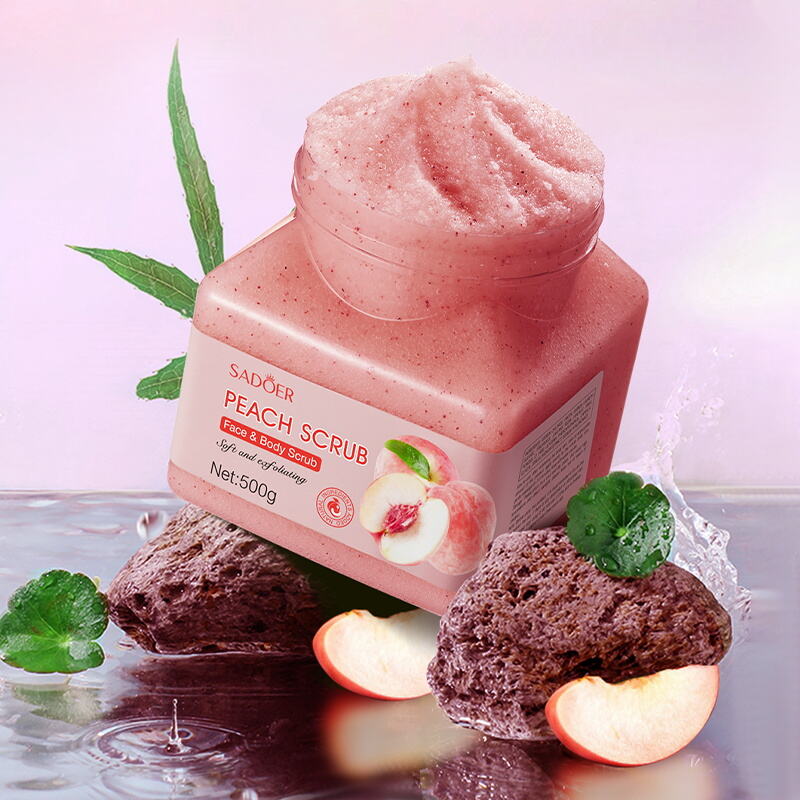
Achieving radiant, healthy-looking skin starts with understanding the importance of proper exfoliation and selecting the right face scrub for your unique skin type. A quality face scrub removes dead skin cells, unclogs pores, and promotes cellular renewal, revealing the fresh, glowing complexion underneath. When used correctly, regular exfoliation with an effective face scrub can transform dull, rough skin into a smooth, luminous surface that reflects light beautifully and feels incredibly soft to the touch.
Understanding Face Scrub Fundamentals
Physical Versus Chemical Exfoliation Methods
Physical exfoliation using a face scrub involves manually removing dead skin cells through gentle abrasive particles or textures. These scrubs typically contain natural ingredients like sugar, salt, ground nuts, or synthetic microbeads that physically buff away surface impurities. The key to successful physical exfoliation lies in choosing a face scrub with appropriately sized particles that won't create micro-tears in your skin while still providing effective cleansing action.
Chemical exfoliation, on the other hand, uses acids or enzymes to dissolve the bonds between dead skin cells, allowing them to be easily removed without physical friction. While both methods have their merits, a high-quality face scrub combines the immediate satisfaction of physical exfoliation with gentle chemical components to maximize results while minimizing irritation potential.
Selecting the Right Exfoliating Particles
The texture and size of exfoliating particles in your face scrub determine how effectively and safely it will work on your skin. Fine particles like sugar or finely ground oatmeal provide gentle exfoliation suitable for sensitive or thin skin areas, while coarser particles like sea salt or crushed walnut shells offer more intensive exfoliation for thicker, more resilient skin types.
Modern face scrub formulations increasingly favor biodegradable, natural exfoliants over synthetic microbeads due to environmental concerns and skin safety considerations. Jojoba beads, bamboo powder, and rice bran particles have become popular choices because they provide effective exfoliation while being gentle enough for regular use and environmentally responsible.
Professional Application Techniques
Proper Preparation and Timing
Before applying any face scrub, thoroughly cleanse your skin with a gentle cleanser to remove makeup, oil, and surface dirt that could interfere with the exfoliation process. Your skin should be damp but not dripping wet, as the right amount of moisture helps the face scrub glide smoothly across your skin without causing excessive friction or drag.
Timing your face scrub application is crucial for optimal results. Evening application allows your skin to recover overnight without immediate sun exposure, while morning use can help remove overnight oil buildup and create a smooth canvas for makeup application. Most skincare professionals recommend using a face scrub two to three times per week, though this frequency may vary based on your skin type and the product's intensity.
Massage Techniques for Maximum Effectiveness
Apply a small amount of face scrub to your fingertips and begin with light, circular motions starting from the center of your face and working outward. Focus extra attention on areas prone to congestion, such as the T-zone, where oil and dead skin cells tend to accumulate more readily than other facial areas.
Avoid the delicate eye area entirely when using any face scrub, as this thin skin is particularly susceptible to damage from exfoliating particles. Instead, use gentle upward strokes on the cheeks and forehead, maintaining consistent pressure throughout the massage to ensure even exfoliation across all treated areas without creating irritation or redness.
Skin Type Specific Strategies
Oily and Acne-Prone Skin Considerations
Individuals with oily or acne-prone skin often benefit from more frequent face scrub use, as their increased sebum production can lead to faster accumulation of dead skin cells and clogged pores. However, over-exfoliation can actually stimulate increased oil production and worsen acne conditions, making it essential to find the right balance for your specific skin needs.
Look for a face scrub containing salicylic acid or tea tree oil, which provide additional pore-clearing benefits while the physical exfoliation removes surface debris. These ingredients help prevent future breakouts while addressing current congestion, making your exfoliation routine more comprehensive and effective.
Dry and Sensitive Skin Approaches
Dry or sensitive skin requires a gentler approach to exfoliation, with emphasis on hydrating and nourishing ingredients within the face scrub formulation. Cream-based scrubs with moisturizing components like hyaluronic acid, ceramides, or natural oils provide exfoliation while simultaneously delivering hydration to prevent post-treatment dryness or irritation.
Reduce application frequency to once or twice per week for sensitive skin types, and always follow up with a rich moisturizer to restore the skin barrier after exfoliation. Pay attention to your skin's response and adjust your routine accordingly, as individual tolerance levels can vary significantly even within the same general skin type category.
Advanced Face Scrub Techniques
Multi-Step Exfoliation Protocols
Advanced skincare enthusiasts often incorporate face scrub treatments into multi-step routines that maximize the benefits of each product used. Begin with a gentle cleanser, follow with your chosen face scrub, then apply a hydrating toner to rebalance skin pH and prepare for subsequent treatments like serums or masks.
This layered approach ensures that each product can penetrate effectively and work synergistically with others in your routine. The face scrub removes barriers to absorption, allowing following treatments to work more efficiently and deliver better results than they would on non-exfoliated skin.
Seasonal Adjustment Strategies
Your face scrub routine should adapt to seasonal changes in your skin's needs and environmental conditions. During winter months, when indoor heating and cold weather can increase dryness, choose gentler formulations and reduce frequency to prevent over-stripping your skin's natural protective barriers.
Summer conditions may call for more frequent exfoliation to address increased oil production and sweat accumulation, but always follow up with appropriate sun protection since newly exfoliated skin can be more photosensitive. Adjust your face scrub selection and application schedule based on these seasonal variations to maintain optimal skin health year-round.
Common Mistakes and Solutions
Over-Exfoliation Prevention
One of the most common mistakes in face scrub use is applying too much pressure or using the product too frequently, leading to irritation, redness, and compromised skin barrier function. Signs of over-exfoliation include persistent redness, increased sensitivity, burning sensations, and paradoxically, increased oil production as your skin tries to compensate for damage.
If you experience these symptoms, immediately reduce your face scrub frequency and switch to gentler formulations until your skin recovers. Focus on barrier repair with gentle, hydrating products and avoid all exfoliation for at least a week to allow your skin to heal properly before gradually reintroducing your face scrub routine.
Product Selection Errors
Many people choose a face scrub based solely on marketing claims rather than their actual skin needs and tolerance levels. Harsh scrubs with large, irregular particles can cause micro-tears even in resilient skin types, while overly gentle formulations may not provide adequate exfoliation for those who need more intensive treatment.
Test new face scrub products on a small area first, and pay attention to how your skin responds over several uses before committing to regular application. Quality indicators include smooth, uniform exfoliating particles, pleasant texture that doesn't feel overly gritty, and ingredients that support your specific skin concerns while providing effective exfoliation.
FAQ
How often should I use a face scrub for best results
Most skin types benefit from face scrub use 2-3 times per week, though oily skin may tolerate more frequent use while sensitive skin may require less. Start with once weekly and gradually increase frequency based on how your skin responds, watching for signs of irritation or over-exfoliation that indicate you should reduce usage.
Can I make an effective face scrub at home
Homemade face scrub recipes using ingredients like sugar, honey, and oatmeal can be effective, but commercial formulations often provide more consistent results and safety testing. If making your own, use fine particles, avoid harsh ingredients like baking soda, and always patch test before applying to your entire face.
What ingredients should I avoid in a face scrub
Avoid face scrub products containing plastic microbeads, overly large or sharp particles like crushed nutshells, harsh detergents, and high concentrations of alcohol that can strip your skin. Also be cautious with products containing multiple active ingredients if you have sensitive skin or are using other exfoliating treatments.
Should I use a face scrub before or after cleansing
Always cleanse your face first to remove makeup and surface dirt, then apply your face scrub to clean, damp skin for optimal effectiveness. This order ensures the exfoliating particles can work directly on dead skin cells rather than just moving around surface debris, making your exfoliation routine more efficient and thorough.