
 EN
EN
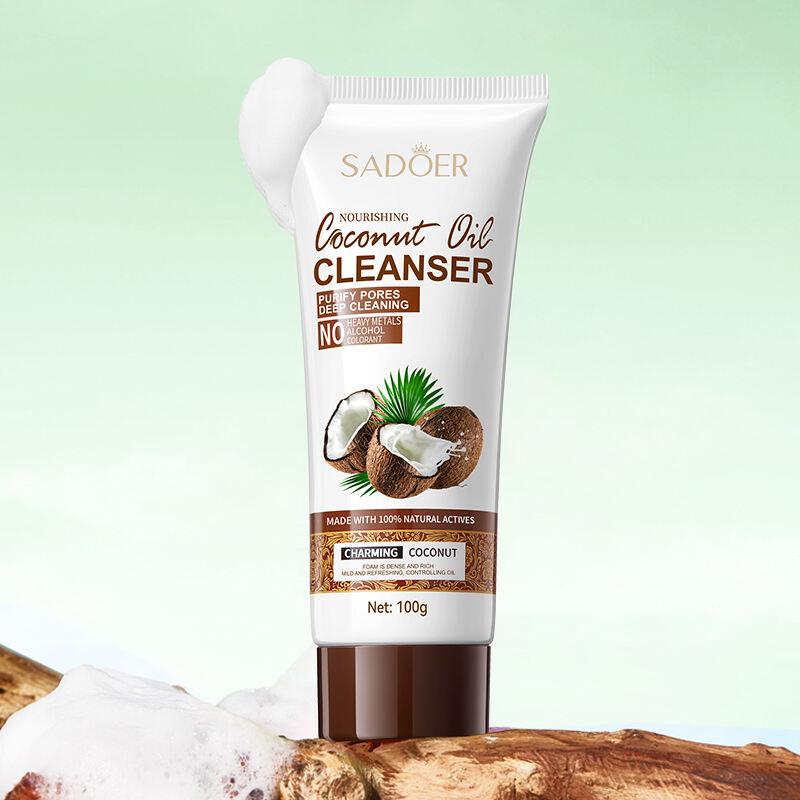
A comprehensive skincare routine begins with proper cleansing, and choosing the right facial cleanser can make a significant difference in maintaining healthy, radiant skin. Daily exposure to environmental pollutants, makeup residue, and natural oil production creates a complex layer of impurities that requires effective yet gentle removal. Understanding the importance of hydrating facial cleansers helps individuals make informed decisions about their skincare investments and long-term skin health goals.
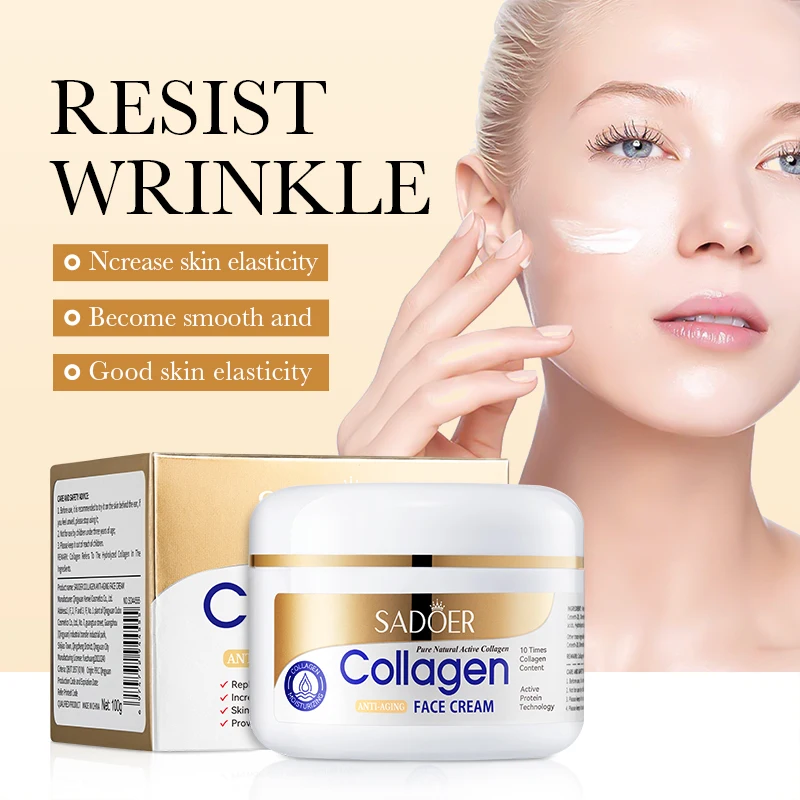
Understanding Facial Cleanser Fundamentals
Essential Components of Effective Cleansing
Modern facial cleanser formulations incorporate advanced cleansing agents that remove dirt, oil, and makeup without compromising the skin's natural protective barrier. These products typically contain surfactants that break down oil-based impurities while maintaining optimal pH levels for skin health. Professional dermatologists recommend selecting a facial cleanser that matches individual skin types and addresses specific concerns such as dryness, sensitivity, or excess oil production.
The molecular structure of quality cleansing ingredients allows for deep pore penetration without causing irritation or over-drying. Gentle formulations preserve the skin's acid mantle, which serves as the first line of defense against harmful bacteria and environmental stressors. This protective function becomes particularly important for individuals with sensitive skin conditions or those living in urban environments with high pollution levels.
Scientific Benefits of Hydrating Formulations
Hydrating facial cleansers incorporate moisture-binding ingredients that prevent the tight, uncomfortable feeling often associated with traditional soap-based products. These formulations utilize humectants and emollients that attract water molecules to the skin surface while creating a protective film that reduces transepidermal water loss. Research demonstrates that maintaining proper hydration levels during cleansing significantly improves overall skin texture and appearance.
Clinical studies reveal that hydrating cleansers can improve skin barrier function by up to thirty percent compared to conventional cleansing methods. This enhancement occurs through the preservation of natural lipids and proteins that maintain cellular integrity. Regular use of appropriate facial cleanser products supports the skin's natural renewal processes and helps prevent premature aging caused by dehydration and environmental damage.
Daily Skincare Integration Strategies
Morning Cleansing Protocols
Morning facial cleansing routines focus on removing overnight oil production and preparing the skin for daily protection products such as moisturizers and sunscreens. A gentle facial cleanser applied with lukewarm water effectively removes accumulated sebum without stripping essential moisture that accumulated during the skin's natural nighttime repair cycle. This process creates an optimal foundation for subsequent skincare products to absorb effectively.
The timing and technique of morning cleansing significantly impact product efficacy and skin health outcomes. Dermatological research suggests that spending sixty to ninety seconds massaging the facial cleanser allows active ingredients sufficient time to dissolve impurities while stimulating circulation. This gentle massage technique also helps distribute natural oils evenly across the skin surface, promoting a healthy, balanced complexion throughout the day.
Evening Cleansing Rituals
Evening skincare routines require more thorough cleansing to remove makeup, sunscreen, and accumulated environmental pollutants from daily activities. A high-quality facial cleanser designed for evening use often contains additional nourishing ingredients that support the skin's natural overnight repair processes. These formulations may include antioxidants, vitamins, and botanical extracts that provide therapeutic benefits beyond basic cleansing.
Double cleansing methods have gained popularity among skincare enthusiasts and professionals for their ability to ensure complete impurity removal. This technique involves using an oil-based cleanser first to dissolve makeup and sebum, followed by a water-based facial cleanser to remove remaining residue and provide hydration. This comprehensive approach ensures optimal skin preparation for nighttime treatments and serums while maintaining moisture balance.
Skin Type Considerations and Selection Criteria
Dry and Sensitive Skin Requirements
Individuals with dry or sensitive skin conditions require facial cleansers with enhanced moisturizing properties and minimal potential for irritation. These formulations typically exclude harsh sulfates, fragrances, and alcohol-based ingredients that can exacerbate existing sensitivity issues. Instead, they incorporate gentle cleansing agents derived from natural sources such as coconut oil or amino acids that maintain the skin's protective barrier during cleansing.
Sensitive skin types benefit from facial cleansers containing anti-inflammatory ingredients such as chamomile, aloe vera, or niacinamide that soothe irritation while providing effective cleansing action. These ingredients work synergistically to reduce redness and discomfort associated with environmental triggers or underlying skin conditions. Patch testing new products remains essential for individuals with known sensitivities to ensure compatibility before incorporating new facial cleanser options into their routine.
Oily and Combination Skin Management
Oily and combination skin types require facial cleansers that effectively control excess sebum production without triggering rebound oiliness caused by over-cleansing. These formulations often contain salicylic acid, tea tree oil, or other oil-regulating ingredients that help maintain balanced oil production throughout the day. The key lies in finding products that provide thorough cleansing while preserving necessary moisture levels in drier facial areas.
Combination skin presents unique challenges that require versatile facial cleanser formulations capable of addressing multiple skin concerns simultaneously. These products must effectively cleanse oily T-zone areas while providing adequate hydration to drier cheek and eye regions. Advanced formulations utilize encapsulated ingredients that release different benefits based on specific skin area needs, providing customized care within a single product application.
Long-term Benefits and Skin Health Impact
Anti-Aging and Prevention Properties
Regular use of hydrating facial cleansers contributes significantly to long-term anti-aging strategies by maintaining optimal skin hydration levels that support collagen production and cellular renewal processes. Well-hydrated skin appears plumper, smoother, and more resilient against environmental stressors that contribute to premature aging. This preventive approach proves more effective and economical than attempting to reverse damage after it occurs.
The cumulative effects of consistent facial cleanser use become apparent over months and years of dedicated skincare routines. Proper cleansing removes free radicals and pollutants that accelerate cellular aging while providing beneficial ingredients that support skin repair mechanisms. This dual action of protection and nourishment creates an optimal environment for maintaining youthful skin appearance and health throughout various life stages.
Barrier Function Enhancement
Quality facial cleansers play a crucial role in maintaining and strengthening the skin's natural barrier function through gentle yet effective cleansing action. This barrier protection prevents moisture loss while blocking harmful environmental elements from penetrating deeper skin layers. Strengthening this protective function reduces susceptibility to irritation, infection, and premature aging caused by external aggressors.
Scientific research demonstrates that consistent use of appropriate facial cleanser products can improve barrier function measurements by up to forty percent within eight weeks of regular use. These improvements manifest as increased skin hydration, reduced sensitivity, and enhanced overall skin health metrics. The investment in quality cleansing products yields measurable returns in skin appearance and comfort levels.
Professional Recommendations and Best Practices
Dermatologist Guidelines
Leading dermatologists emphasize the importance of selecting facial cleansers based on individual skin assessment rather than popular trends or marketing claims. Professional skin analysis can identify specific needs and sensitivities that influence product selection and usage recommendations. This personalized approach ensures optimal results while minimizing potential adverse reactions or ineffective product choices.
Medical professionals recommend introducing new facial cleanser products gradually to allow skin adaptation and monitor for any sensitivity reactions. Starting with every other day application and gradually increasing frequency helps identify optimal usage patterns while preventing irritation. This methodical approach ensures successful integration of new products into established skincare routines.
Application Techniques and Timing
Proper application techniques significantly impact facial cleanser effectiveness and skin health outcomes. Using gentle, circular motions with fingertips provides adequate cleansing action without causing microscopic tears or irritation. Water temperature should remain lukewarm to prevent damage to capillaries or excessive oil stimulation that can occur with hot water exposure.
The duration and frequency of facial cleanser application require careful consideration based on skin type and environmental factors. Most dermatologists recommend twice-daily cleansing for optimal results, though individuals with very dry or sensitive skin may benefit from single daily applications supplemented with gentle morning rinses. Adjusting frequency based on seasonal changes, hormonal fluctuations, and lifestyle factors ensures continued effectiveness.
FAQ
How often should I use a hydrating facial cleanser
Most skin types benefit from using a hydrating facial cleanser twice daily, once in the morning and once in the evening. However, individuals with extremely dry or sensitive skin may find that once-daily use in the evening, combined with a gentle water rinse in the morning, provides optimal results without over-cleansing. Adjust frequency based on your skin's response and seasonal changes in environmental conditions.
Can I use the same facial cleanser year-round
While many people can successfully use the same facial cleanser throughout the year, seasonal adjustments may be beneficial for optimal skin health. Winter months often require more hydrating formulations due to lower humidity and indoor heating, while summer conditions may necessitate slightly stronger cleansing action to remove increased sebum and sunscreen residue. Monitor your skin's needs and adjust accordingly.
What ingredients should I avoid in a facial cleanser
Avoid facial cleansers containing harsh sulfates like sodium lauryl sulfate, which can strip natural oils and cause irritation. Also steer clear of products with high alcohol content, artificial fragrances, and excessive preservatives that may trigger sensitivity reactions. Instead, look for gentle cleansing agents, natural moisturizing ingredients, and products formulated for your specific skin type and concerns.
How long does it take to see results from a new facial cleanser
Initial improvements in skin texture and comfort levels typically become noticeable within one to two weeks of consistent facial cleanser use. However, significant changes in skin health, hydration levels, and overall appearance usually require four to six weeks of regular application. Be patient and consistent with your routine, as premature product switching can prevent you from experiencing the full benefits of quality skincare products.