
 EN
EN
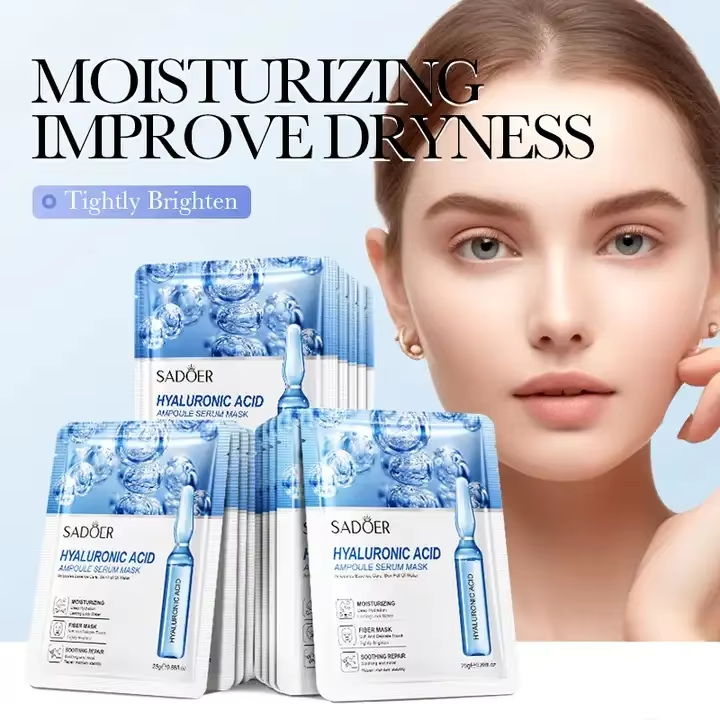
In today's fast-paced world, maintaining healthy, glowing skin has become more challenging than ever. Environmental pollutants, stress, and daily exposure to harsh elements can take a toll on our complexion, leaving many searching for effective skincare solutions. Face masks have emerged as one of the most powerful and accessible tools in modern skincare routines, offering targeted treatment that can address specific skin concerns while providing immediate and long-term benefits. Understanding the science behind these skincare essentials and incorporating them properly into your routine can transform your skin's appearance and health dramatically.
The Science Behind Face Mask Effectiveness
How Face Masks Penetrate Your Skin
The effectiveness of face masks lies in their ability to create an occlusive barrier on the skin's surface, which enhances the penetration of active ingredients. When you apply a mask, it forms a temporary seal that prevents moisture loss and creates optimal conditions for ingredient absorption. This process, known as occlusion, allows beneficial compounds like hyaluronic acid, vitamins, and peptides to penetrate deeper into the skin layers than they would with regular topical application.
The extended contact time that face masks provide is crucial for ingredient efficacy. While serums and moisturizers may only remain on the skin's surface for a few minutes before being rubbed in or absorbed, masks maintain contact for 15-30 minutes or longer. This prolonged exposure allows for maximum ingredient uptake and ensures that active compounds have sufficient time to work at the cellular level.
Active Ingredients That Make the Difference
Modern face masks are formulated with scientifically-proven active ingredients that target specific skin concerns. Hyaluronic acid, for instance, can hold up to 1000 times its weight in water, making it incredibly effective for hydration and plumping. Vitamin C provides powerful antioxidant protection while promoting collagen synthesis, leading to brighter, more youthful-looking skin.
Peptides work at the molecular level to stimulate cellular repair and regeneration processes. These small protein fragments can signal skin cells to produce more collagen and elastin, effectively reversing signs of aging. When delivered through mask formulations, these ingredients achieve higher concentrations at the target sites compared to other skincare formats.
Types of Face Masks for Different Skin Concerns
Hydrating Masks for Dry and Dehydrated Skin
Hydrating face masks are specifically designed to address moisture loss and restore the skin's natural barrier function. These masks typically contain humectants like glycerin and hyaluronic acid, which draw moisture from the environment and deeper skin layers to the surface. Sheet masks infused with hydrating serums are particularly effective because they prevent evaporation and ensure continuous moisture delivery.
For individuals with chronically dry skin, incorporating hydrating masks into their routine 2-3 times per week can significantly improve skin texture and appearance. The immediate plumping effect of these masks can reduce the appearance of fine lines and create a smoother, more supple complexion that lasts for days after application.
Anti-Aging Masks for Mature Skin
Anti-aging face masks combine multiple active ingredients to address the various signs of skin aging simultaneously. These formulations often include retinol derivatives, peptides, and antioxidants that work synergistically to promote cellular turnover and protect against future damage. The concentrated delivery system of masks allows these powerful ingredients to work more effectively than in daily-use products.
Regular use of anti-aging masks can lead to visible improvements in skin firmness, elasticity, and overall radiance. The deep repair mechanisms activated by these treatments help restore damaged collagen fibers and promote the formation of new, healthy skin cells. This results in a more youthful appearance and improved skin resilience over time.
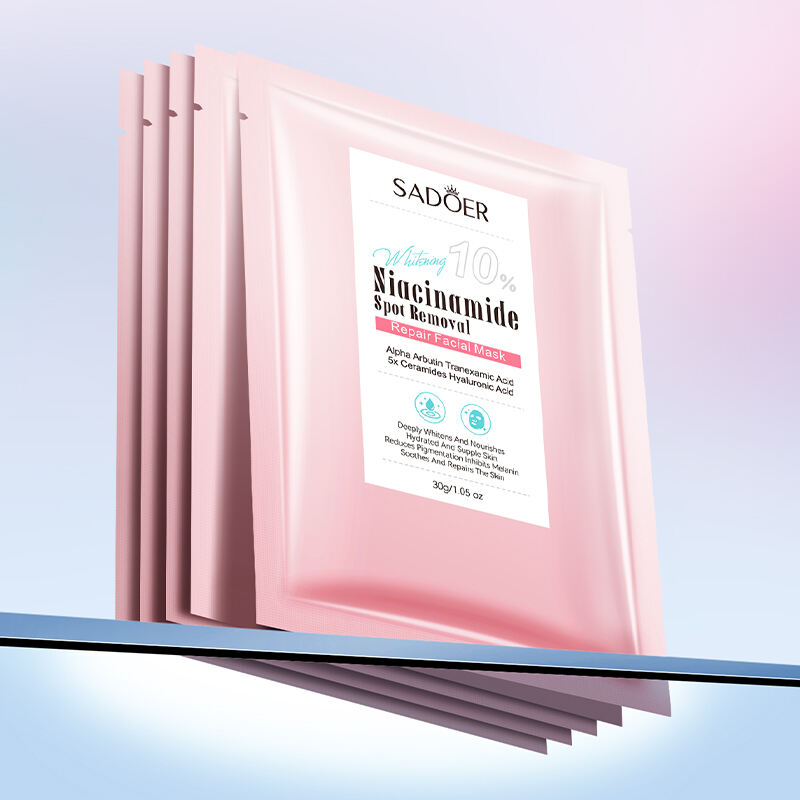
The Immediate Benefits You Can Expect
Instant Hydration and Plumping Effects
One of the most noticeable immediate benefits of using face masks is the instant hydration and plumping effect they provide. Within minutes of application, you can observe visible improvements in skin texture and firmness. This immediate transformation occurs because masks deliver high concentrations of moisture-binding ingredients directly to the skin's surface, where they can immediately begin their work.
The plumping effect is particularly pronounced around delicate areas like the eye region and mouth, where fine lines become less visible almost immediately. This instant gratification makes face masks an excellent choice for special occasions or when you need quick skin improvement before important events.
Improved Skin Texture and Radiance
Beyond hydration, quality face masks can dramatically improve skin texture and radiance in a single use. Exfoliating masks containing gentle acids or enzymes remove dead skin cells and promote cellular renewal, revealing the fresh, healthy skin underneath. This process immediately creates a smoother surface and enhances the skin's natural glow.
Brightening masks formulated with vitamin C or niacinamide can reduce the appearance of dark spots and even out skin tone within hours of application. The concentrated nature of these treatments allows for more dramatic results than daily skincare products, making them invaluable for maintaining optimal skin appearance.
Long-Term Skincare Benefits
Cumulative Anti-Aging Effects
While the immediate benefits of face masks are impressive, their long-term effects on skin health and appearance are even more significant. Regular use of properly formulated masks can lead to cumulative improvements in skin structure and function. The repeated delivery of active ingredients helps maintain optimal cellular activity and promotes continuous repair and regeneration processes.
Over time, consistent mask usage can result in measurable improvements in skin thickness, elasticity, and overall firmness. These changes occur gradually but become increasingly apparent with continued use, leading to skin that not only looks younger but actually functions more like youthful skin at the cellular level.
Enhanced Barrier Function and Protection
Long-term use of quality face masks contributes to strengthening the skin's natural barrier function, which is crucial for maintaining healthy skin. A strong barrier protects against environmental damage, prevents moisture loss, and maintains optimal pH balance. Masks containing ceramides, fatty acids, and other barrier-supporting ingredients help restore and maintain this protective function.
Improved barrier function leads to increased resistance to environmental stressors, reduced sensitivity, and better overall skin health. This enhanced protection helps prevent premature aging and maintains the benefits achieved through other skincare treatments, creating a positive cycle of continuous improvement.
Incorporating Face Masks into Your Routine
Optimal Frequency and Timing
The frequency of face mask use depends on your skin type, concerns, and the specific type of mask being used. For most individuals, using face masks 2-3 times per week provides optimal benefits without over-treating the skin. Hydrating masks can be used more frequently, even daily if needed, while exfoliating or treatment masks should be limited to prevent irritation.
Timing is also crucial for maximum effectiveness. Evening application is generally preferred because it allows the skin to repair and regenerate overnight while the active ingredients continue working. Additionally, avoiding sun exposure immediately after using certain masks, particularly those containing acids or retinol, helps prevent potential sensitivity reactions.
Layering with Other Skincare Products
Proper integration of face masks with your existing skincare routine enhances their effectiveness and maximizes overall results. Masks should be applied to clean skin and followed by appropriate moisturizers and treatments. The order of application matters significantly for ingredient absorption and compatibility.
When using multiple active ingredients, it's important to consider potential interactions and adjust your routine accordingly. Some combinations can enhance effectiveness, while others might cause irritation or reduce efficacy. Understanding these relationships helps create a synergistic routine that delivers optimal results safely.
Choosing the Right Face Mask for Your Skin
Understanding Your Skin Type and Concerns
Selecting the most appropriate face mask requires a thorough understanding of your skin type and specific concerns. Oily skin benefits from clay-based masks that absorb excess sebum and minimize pore appearance, while dry skin requires hydrating formulations with humectants and emollients. Combination skin may need different masks for different areas or alternating treatments.
Identifying your primary skin concerns helps narrow down the most beneficial active ingredients. Whether you're dealing with acne, hyperpigmentation, fine lines, or sensitivity, there are specific mask formulations designed to address these issues effectively. Understanding your goals allows for more targeted treatment and better results.
Reading Labels and Ingredient Lists
Becoming proficient at reading cosmetic labels is essential for selecting effective face masks. Look for clinically-proven ingredients in meaningful concentrations, and be aware of potential irritants or allergens. The order of ingredients on the label indicates their concentration, with higher-concentration ingredients listed first.
Quality masks will clearly list their active ingredients and concentrations, allowing you to make informed decisions about their potential effectiveness. Avoid masks with excessive fragrances, dyes, or unnecessary additives that might cause irritation without providing benefits.
FAQ
How often should I use face masks for optimal results
For most skin types, using face masks 2-3 times per week provides optimal benefits without over-treating the skin. Hydrating masks can be used more frequently, even daily if your skin is particularly dry or dehydrated. However, exfoliating or treatment masks with active ingredients like acids or retinol should be limited to 1-2 times per week to prevent irritation and sensitivity.
Can I use face masks if I have sensitive skin
Yes, people with sensitive skin can safely use face masks by choosing gentle, hypoallergenic formulations specifically designed for sensitive skin types. Look for masks with soothing ingredients like aloe vera, chamomile, or oatmeal, and avoid those containing fragrances, dyes, or harsh acids. Always perform a patch test before trying a new mask, and start with shorter application times to assess your skin's tolerance.
What is the best time of day to apply face masks
Evening is generally the optimal time for face mask application because it allows your skin to repair and regenerate overnight while the active ingredients continue working. Additionally, many masks contain ingredients that can increase photosensitivity, making evening use safer. However, hydrating masks can be used any time of day, and some people prefer morning application for special events when they want immediate glowing results.
How long should I leave a face mask on my skin
The appropriate application time varies depending on the type of mask and your skin sensitivity. Most sheet masks and hydrating masks can be left on for 15-20 minutes, while clay or treatment masks typically require 10-15 minutes. Never leave masks on longer than recommended, as this can lead to irritation or reverse the beneficial effects. Always remove masks while they're still slightly damp to prevent pulling or damaging the skin during removal.